The closest thing to a like-for-like comparison
Most QuickBooks alternatives are cloud products aimed at freelancers. Sage 50 Accounting is not. It is Windows desktop accounting software, installed on your own machine, aimed at established small and mid-sized businesses — the same ground QuickBooks Desktop occupies. In the US it is the product that used to be called Peachtree.
So this comparison is not really desktop versus cloud. It is one desktop accounting package against another, and the sharpest difference is how you pay for it.
Where Sage 50 is genuinely stronger
This is not a one-sided match. Sage 50 has real advantages, and for some businesses they are decisive.
- Job costing. Sage 50 has a deserved reputation here. If you run projects and need cost tracked against each job in detail, it is strong out of the box.
- Industry depth for construction and manufacturing. Sage leans into these sectors in a way QuickBooks Desktop does not.
- Audit trails on its Premium tier and above, which matters if you need a tight record of who changed what.
- It scales further. Sage 50 Quantum supports far more simultaneous users than QuickBooks Desktop Enterprise, which tops out at 5 seats in the editions we sell. If you need dozens of concurrent users, Desktop will run out of room before Sage does.
- Inventory in every tier, like QuickBooks Desktop.
If you are a construction firm doing detailed job costing across dozens of users, Sage 50 is probably the better fit and you should not let a price tag talk you out of it.
Where QuickBooks Desktop wins
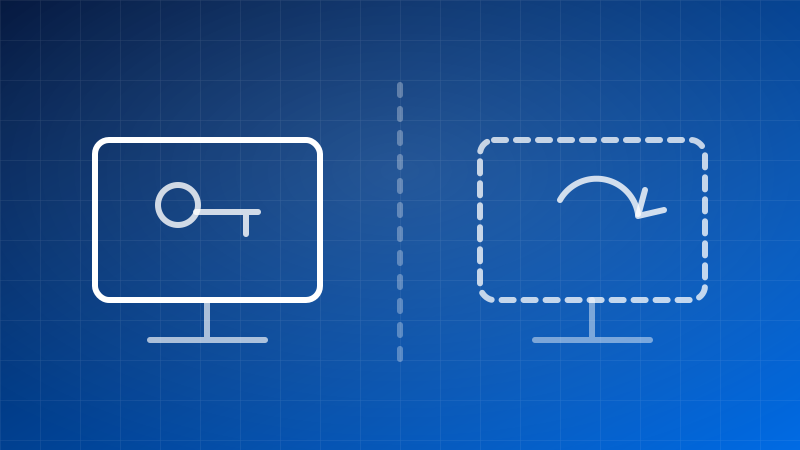
You buy it once. This is the big one, and it is structural rather than a matter of discounting. Sage 50 is sold as a recurring subscription — the retail boxes are literally labelled as one-year subscriptions, and the price climbs with each user you add. The QuickBooks Desktop 2024 licenses we sell are a one-time payment: Pro Plus for one user is $115 and Enterprise Solutions starts at $122, with no renewal.
Over three or four years that difference compounds into something much larger than the sticker gap suggests.
Your accountant already knows it. QuickBooks is the default in US small business accounting. Handing a bookkeeper a QuickBooks file is routine; handing them a Sage 50 file sometimes is not. That is not a statement about software quality — it is about how much friction you meet when you need outside help, and it is a real cost.
A much larger ecosystem. More third-party apps, more guides, more people who have hit your exact problem and written it down.
Seats are not a recurring line item. Pro Plus covers up to 3 users and Enterprise up to 5, paid once rather than every year.
Why there is no price table in this article
We put a cost comparison in our FreshBooks article because FreshBooks publishes clear per-plan pricing. Sage is harder to pin down: the figures quoted on Sage's own site, in software reviews, and on retail listings do not agree with each other, and they vary by edition, channel and billing term.
Rather than print a number that might be wrong, here is the part that is not in dispute: Sage 50 renews, and the renewal never stops. For current figures, check Sage's pricing page directly and look closely at the billing term and the per-user rate.
The caveat on our side
A 2024 QuickBooks Desktop license does not expire. But Intuit ends the connected services for the 2024 release on 31 May 2027 — Desktop Payroll, online bank feeds, QuickBooks Payments, live Intuit support and security updates stop then. The software keeps running and your company file keeps opening; those online pieces do not.
A current Sage 50 subscription keeps receiving updates for as long as you keep paying. That is the genuine trade: ongoing service for an ongoing bill, against a one-time cost with a service end date. Our lifetime license explainer sets out exactly what you are buying.
So which one?
Choose Sage 50 if job costing is central to how you work, you are in construction or manufacturing, you need audit trails, or you need far more than five concurrent users.
Choose QuickBooks Desktop if you want to pay once instead of every year, your accountant works in QuickBooks, five seats or fewer covers you, and you want the larger ecosystem around the product.
For most US small businesses that are not running detailed job costing, the deciding factors end up being the renewal and the accountant. Both point the same way. If you want help matching an edition to your business, the editions comparison is the place to start, or browse the full range.